To protect pipes from freezing in Tucson, insulate exposed water lines, disconnect and drain garden hoses, and cover outdoor faucets before nights drop to 32°F. Keep your home heated, open sink cabinets on exterior walls, and know where your main water shutoff is. Tucson freezes are usually short, but exposed pipes and irrigation lines can still crack.
Desert winters are mild most of the time. A few nights each season still dip below freezing, and that’s when hose bibs, backflow valves, and pipes in garages tend to fail. A little preparation in the fall goes a long way.
Can Pipes Really Freeze in Tucson?
Yes. Water freezes at 32°F, and pipes that sit outside or in unheated spaces can freeze during a cold Tucson night. The risk depends on how long the temperature stays below freezing, how exposed the pipe is, and whether it has any insulation.
Many Tucson homes have more exposed plumbing than homes in colder climates. Builders here don’t always expect hard freezes, so hose bibs, irrigation lines, and pool equipment often sit above ground with little protection.
These are the spots most likely to freeze:
- Outdoor faucets and hose bibs
- Exposed pipes along exterior walls
- Plumbing in garages, attics, and other unheated spaces
- Irrigation supply lines, valves, and backflow preventers
- Pipes under sinks that sit against an exterior wall
- Water lines in vacant or seasonal homes
Watch the National Weather Service Tucson forecast for freeze warnings, and prepare exposed plumbing before the first one hits.
How Does Pipe Insulation Protect Pipes From Freezing in Tucson?
Pipe insulation slows heat loss, which buys your plumbing time during a cold night. Foam pipe sleeves are the most common choice for homeowners, and fiberglass wrap works in some locations. Pick a product made for the pipe size and where it’s installed.
How to Install Pipe Insulation
- Find the exposed pipes. Check the garage, utility areas, exterior walls, and any plumbing you can reach outdoors.
- Measure the pipe diameter. Insulation that fits snugly works much better than a loose sleeve.
- Cover the full exposed run. Include sections near elbows, valves, and fittings, since those are easy to miss.
- Seal the joints. Follow the manufacturer’s instructions so cold air can’t slip through gaps.
- Check it each fall. Replace insulation that’s cracked, loose, or breaking down.
Does Pipe Insulation Hold Up in Arizona Sun?
Standard foam can break down under intense sunlight over time, and Tucson sun is hard on outdoor materials. For pipes in direct sun, choose insulation with a UV-resistant outdoor jacket.
If you’re thinking about heat tape or heat cable, buy a product rated for plumbing freeze protection and follow its instructions exactly. Poor installation can create an electrical or fire hazard.
How Do You Prevent an Outdoor Faucet Freeze?
Disconnect the hose before a cold night. An outdoor faucet freeze usually starts with water trapped in an attached hose, which keeps the faucet from draining. When that water freezes, it can crack the pipe behind the wall where you won’t see the leak right away.
Before freezing weather, take care of each hose bib:
- Disconnect garden hoses, drain them, and store them somewhere protected.
- Put an insulated faucet cover over each outdoor spigot.
- If the faucet has an indoor shutoff valve, close it and drain the outside section.
- Fix dripping faucets and loose connections.
- Keep any outdoor pipe insulation in good shape.
Some homes have frost-resistant hose bibs. They still need to be installed correctly, and they won’t drain properly with a hose left attached.
Should You Let Faucets Drip During a Tucson Freeze?
A slow trickle can help during a long, hard freeze. Moving water is less likely to freeze, and an open faucet relieves pressure if ice starts to form. This is a short-term step to pair with insulation, not a replacement for it.
If you use this method, pick a faucet on a vulnerable line, such as a sink on an exterior wall. A small, steady trickle is enough. Keep the drain clear and follow any guidance from your water utility.
How Can You Keep Indoor Pipes From Freezing?
Indoor pipes freeze when they sit in cold pockets of the house. Garages, cabinets on exterior walls, and utility rooms are the usual trouble spots.
Keep the Heat On
Hold a steady indoor temperature overnight during a cold snap. If you’re leaving town, don’t turn the heating system completely off when freezing weather is in the forecast.
Open Cabinets Under Sinks
For sinks on exterior walls, open the cabinet doors so warm room air can reach the pipes.
Seal Drafts Near Plumbing
Look for gaps around doors, windows, and pipe openings where cold air gets in. Seal what makes sense, but leave required ventilation and combustion-air openings clear.
Close the Garage Door
If water lines run through your garage, keep the door closed on cold nights.
How Should You Prepare Irrigation and Pool Lines for a Freeze?
Turn off irrigation timers when a freeze is forecast and protect anything that sits above ground. In Tucson, backflow preventers and exposed valves are some of the first things to crack on a cold night.
Before a hard freeze:
- Follow your irrigation system’s winterization instructions.
- Turn off watering schedules ahead of freezing weather.
- Drain above-ground parts if your system is designed for it.
- Insulate exposed valves and backflow preventers with suitable covers.
- Check pool and spa equipment for exposed water lines.
- Don’t add antifreeze to irrigation or plumbing unless the manufacturer says to.
If you’re unsure how your system should be drained, ask a qualified irrigation or plumbing professional.
What Should You Do If Your Pipes Freeze?
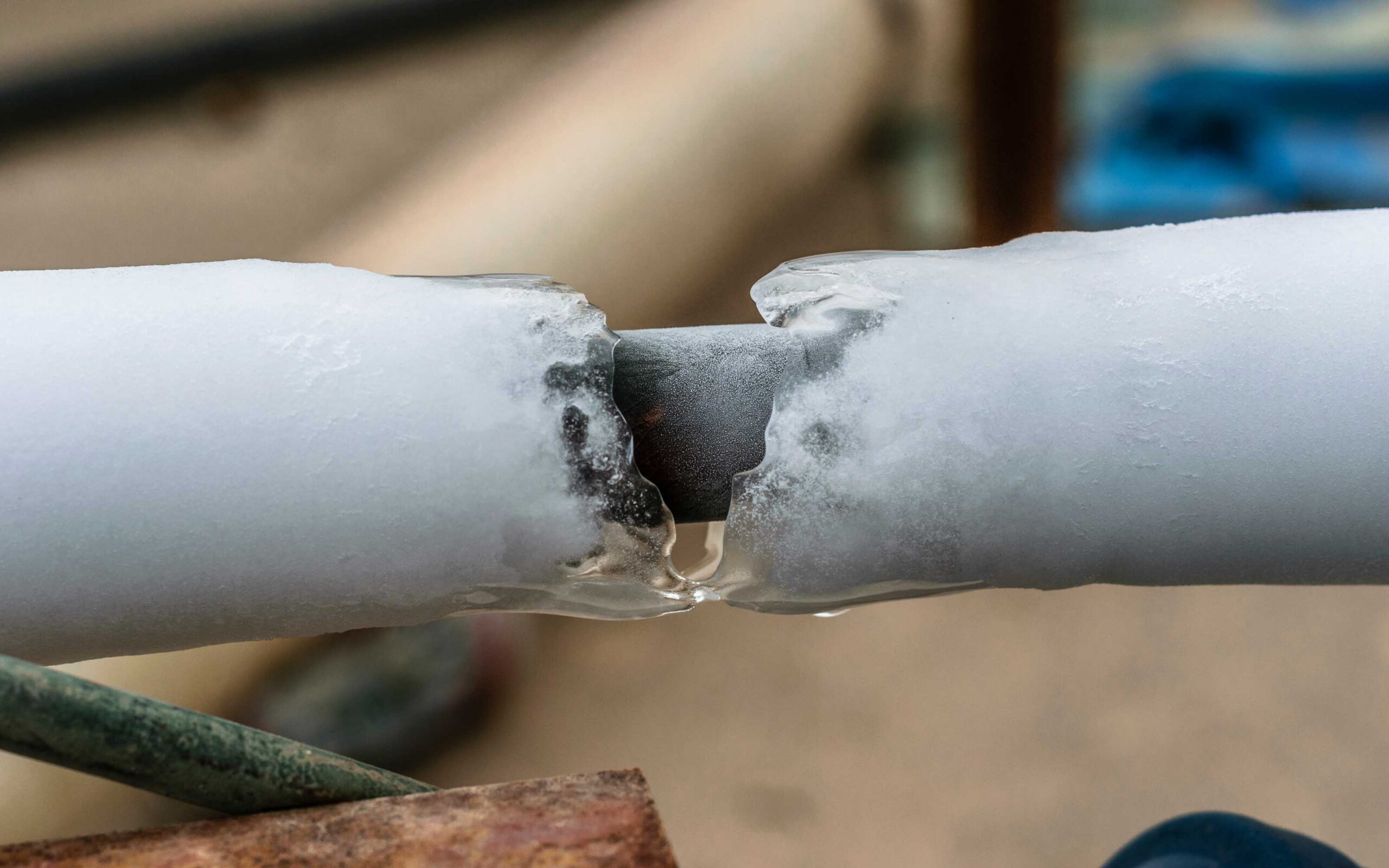
If a faucet slows to a trickle or stops on a cold morning, you probably have a frozen pipe. Act right away, because a pipe can crack before you see any water.
- Check other faucets. This tells you whether one line or several are affected.
- Find the frozen section if you can reach it safely. Look at exposed pipes in the garage, cabinets, or utility areas.
- Leave the faucet open. Water needs somewhere to go as the ice melts.
- Warm the pipe slowly. Use a warm towel or a hair dryer on low.
- Never use an open flame. A torch can damage the pipe and start a fire.
- Watch for leaks. Once water flows again, check the pipe and fittings for damage.
If you can’t find the frozen spot, or you see water leaking, shut off the main water supply if it’s safe and call a licensed plumber.
How Can You Tell If a Frozen Pipe Burst in Tucson?
A cracked pipe often stays quiet until the ice thaws. Look for these signs after a cold night:
- Water pooling near walls, ceilings, or floors
- Damp drywall or new water stains
- A sudden drop in water pressure
- Dripping or running water sounds you can’t explain
- Cracks, bulges, or leaks on exposed pipes
- A water meter that keeps moving with every fixture off
If a pipe bursts, shut off the main water supply and keep away from electrical equipment near standing water. Signature Heating, Cooling and Plumbing offers 24/7 emergency service for burst pipes, so you don’t have to wait until morning.
When Should You Call a Plumber About Frozen Pipes in Tucson?
Call a plumber when a pipe keeps freezing, water pressure drops for no clear reason, or a leak shows up after a cold night. A licensed plumber can find damaged sections, check outdoor faucet connections, and recommend the right insulation for your home.
Signature Heating, Cooling and Plumbing is a veteran-owned, family-owned company providing plumbing services across Tucson, Oro Valley, Marana, and nearby communities. Through our plumbing and drain services, we can track down freeze damage and help you get ready for the next cold snap.
Your Fall Checklist to Protect Pipes From Freezing in Tucson
The best time to prepare is before the first freeze warning. Work through this list each fall:
- Insulate exposed water pipes and replace worn insulation.
- Disconnect and drain garden hoses.
- Cover outdoor faucets.
- Check irrigation, backflow, and pool equipment lines.
- Seal drafts around vulnerable plumbing.
- Find your main water shutoff valve and make sure it turns.
- Get existing leaks and damaged pipes repaired.
Frequently Asked Questions
At what temperature do pipes freeze in Tucson?
Water freezes at 32°F, but pipes don’t always freeze the moment it gets that cold. How long the cold lasts, wind, insulation, and the pipe’s location all play a part. Exposed outdoor lines are at the most risk.
Do Tucson homes need pipe insulation?
Many do, especially where plumbing runs outdoors, through a garage, or along an exterior wall. Insulating those exposed lines is a simple way to lower the risk of frozen pipes in Tucson.
Can an outdoor faucet freeze even with a cover?
Yes. A faucet cover adds protection, but it may not be enough in a long cold spell. Disconnecting the hose and draining the faucet matters just as much.
Should I turn off my water if I’m away from Tucson in winter?
If you’ll be gone during freezing weather, shutting off the main water supply can limit damage if a pipe breaks. Water heater and irrigation steps depend on your equipment, so check the manufacturer’s guidance or ask a plumber.
Get Help With Frozen or Burst Pipes in Tucson
If you have a frozen pipe, a sudden leak, or want your plumbing checked before winter, call Signature Heating, Cooling and Plumbing at (520) 201-8043 or request a free estimate online. If a pipe bursts after hours, our team offers 24/7 emergency service.