Repair usually makes sense when your AC is relatively young, the problem is a minor part and the rest of the system is in good shape. Replacement becomes the stronger choice when an older system has a major failure, such as the compressor, or keeps needing repairs. What failed matters as much as how old the system is.
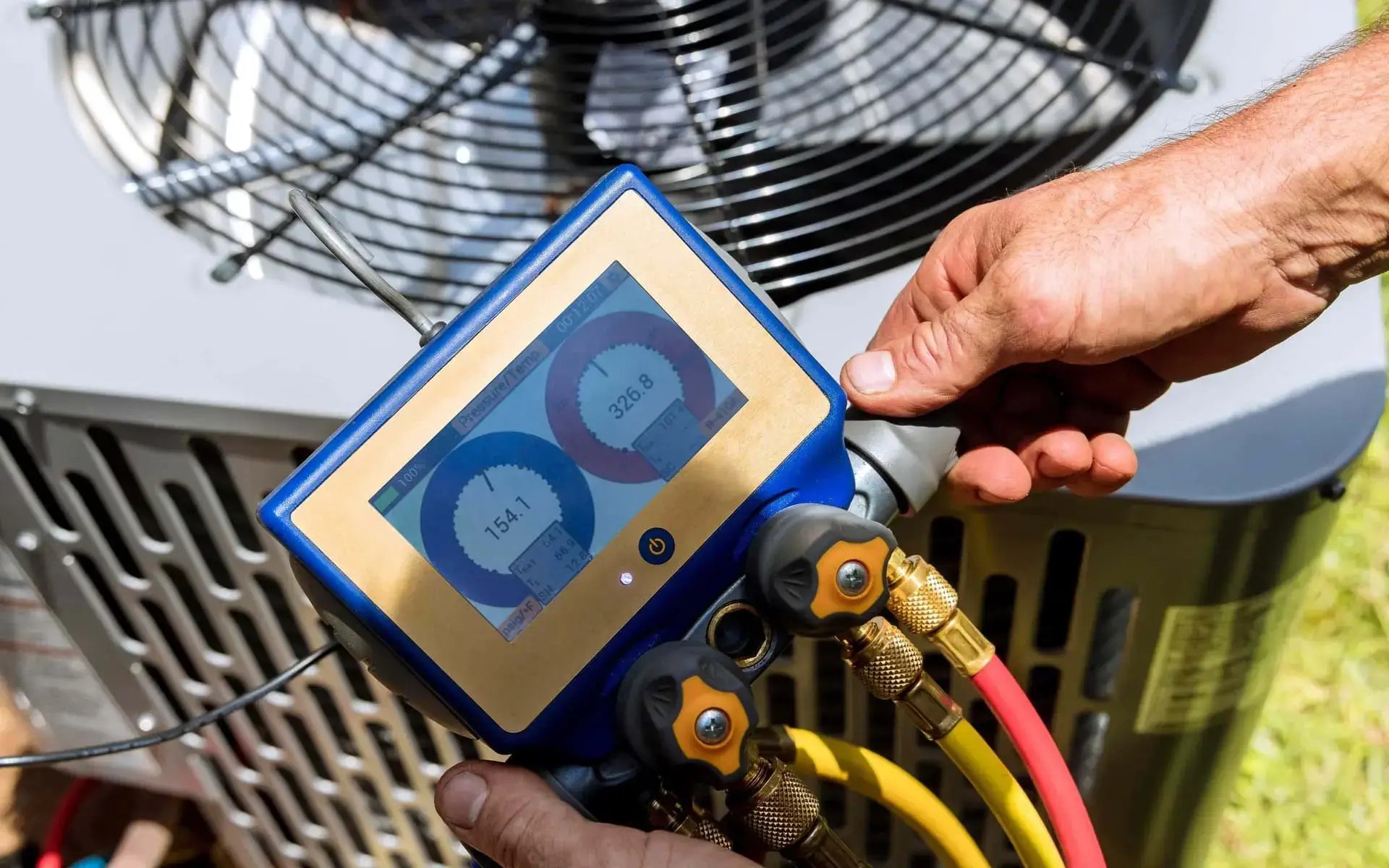
Signature Heating, Cooling & Plumbing is a veteran-owned, family-owned HVAC company in Tucson, and the repair-or-replace question is one we help homeowners work through every summer. We look at each system individually, weighing its age, efficiency and repair cost before making a recommendation. If your system has stopped cooling, our AC repair team can diagnose the problem first so you’re deciding with real information.
How long do air conditioners last in Tucson?
We typically see central air conditioners in Tucson last somewhere between 12 and 20 years. Where a system falls in that range depends on how well it was installed, how consistently it’s been maintained and how hard it works. Tucson summers push AC equipment through long run times for months at a stretch, so regular AC maintenance has a real effect on how long a system holds up.
Age alone shouldn’t make the decision. A well-maintained 14-year-old system that cools reliably may have years left, while a 10-year-old system with a failed compressor and a history of problems may not be worth another major repair. The better question is how much useful life the system realistically has left.
What AC problems are usually worth repairing?
Minor component failures are often worth fixing when the rest of the system is healthy. Common examples include:
- Capacitors and contactors
- Thermostat problems
- Wiring and other electrical components
- Clogged condensate drains
- Some fan motor issues
These repairs tend to be straightforward, and on a system that’s otherwise in good condition, fixing them is usually the practical choice.
When does replacing your AC make more sense than repairing it?
Replacement deserves a serious look when a major component fails on an older system or when repairs have become a pattern. Situations to weigh carefully include:
- A failed compressor
- A major evaporator or condenser coil problem
- A significant refrigerant leak
- Repeated breakdowns over a short period
- Cooling that keeps falling short even after repairs
- Energy bills climbing without a change in how you use the system
One of these on its own doesn’t automatically mean replacement. Several of them together on an aging system usually means it’s time to compare the cost of repair against the cost of AC installation and replacement.
Is it worth replacing an AC compressor?
On a newer system, often yes, especially if the compressor is still under manufacturer warranty and the rest of the equipment is in good shape. On an older system, a compressor failure calls for a broader look. A new compressor doesn’t make the coils, fan motors and other aging parts new, and it’s one of the most expensive repairs an AC can need. Ask for a side-by-side comparison of the repair cost and a replacement estimate before you decide.
How do AC repair costs compare with replacement costs?
There’s no single price that applies to every Tucson home. Repair costs depend on the part that failed, the type of equipment, how accessible it is and the refrigerant involved. Replacement costs depend on system size, efficiency, ductwork and any electrical updates the installation needs.
Rather than relying on a universal dollar threshold, compare the repair quote against the system’s age and overall condition. A modest repair on a young system is a very different decision from a major repair on one that’s near the end of its expected life.
How do refrigerant changes affect older AC systems?
If your system is older, the refrigerant it uses is part of the decision.
R-22 systems. The EPA ended U.S. production and import of R-22 in 2020. These systems can still be serviced with recovered or reclaimed refrigerant, but supply is limited and cost can be high. An R-22 system with a significant leak or another major problem is usually a strong candidate for replacement.
R-410A systems. New residential air conditioners have moved to lower-global-warming-potential refrigerants under EPA rules. Existing R-410A systems can still be serviced, and a leak on one doesn’t automatically mean replacement. The leak’s location, the repair cost and the system’s age all factor in.
Could my ductwork be the real problem?
Sometimes. Leaking, damaged or poorly designed ducts can cause uneven cooling and weak airflow no matter how well the AC itself is working. If certain rooms have stayed uncomfortable through past repairs or even a previous replacement, have the ductwork evaluated before you invest in new equipment. And if you do replace, make sure the new system is sized to your home’s actual cooling load. Our guide on what size AC you need for a Tucson home explains how that works.
Is there still a federal tax credit for a new AC in 2026?
No. The federal Section 25C Energy Efficient Home Improvement Credit doesn’t apply to equipment placed in service after December 31, 2025. If your system needs replacing, there’s no reason to wait for that credit to come back.
What rebates are available for AC replacement in Tucson?
Tucson Electric Power’s Efficient Home Program offers instant rebates on qualifying high-efficiency air conditioners and heat pumps installed through participating contractors, along with rebates for duct sealing and AC tune-ups. The rebate is taken off the purchase price at installation. Amounts and requirements change, so confirm current eligibility before you sign a replacement agreement.
Income-eligible Arizona households may also qualify for Efficiency Arizona, a state-run rebate program for high-efficiency heat pumps and other home upgrades. Its rules changed on September 1, 2026, and rebates no longer cover replacing gas appliances with electric ones, so check the current requirements before assuming a project qualifies.
What should you ask before approving a major AC repair?
Before you sign off on an expensive repair, ask the technician:
- What exactly failed, and is it the only problem?
- Is the repair covered by a manufacturer or labor warranty?
- What other parts are showing wear?
- How much longer can this system reasonably be expected to run?
- What would replacement cost compared with this repair?
Clear answers to these questions turn a repair quote into an informed decision.
When is the best time to replace an AC in Tucson?
Before it fails completely. If your system is aging and has already had major problems, getting a replacement estimate in the spring or fall gives you time to compare options without pressure. Waiting until it dies in the middle of July means the only priority is getting cool air back as fast as possible.
Frequently Asked Questions
Should I repair or replace a 15-year-old air conditioner?
It depends on the repair. A minor fix on an otherwise healthy 15-year-old system can still make sense. A major failure like a compressor, or a pattern of repeated breakdowns, usually makes replacement the better long-term choice at that age.
How long do air conditioners last in Arizona?
In Tucson, we typically see central AC systems last 12 to 20 years. Regular maintenance and a quality installation help a system reach the upper end of that range.
Can I still get R-22 refrigerant for my old AC?
Yes, but only recovered or reclaimed R-22, since new production ended in 2020. Limited supply makes it expensive, which is why a major leak on an R-22 system often tips the decision toward replacement.
Is there a federal tax credit for a new AC in 2026?
No. The federal 25C credit ended for equipment placed in service after December 31, 2025. TEP customers may still qualify for utility rebates on high-efficiency systems.
Not Sure Whether to Repair or Replace?
We’ll give you an honest answer either way. Signature Heating, Cooling & Plumbing serves homeowners and businesses across Tucson, Oro Valley, Marana, Sahuarita and nearby communities, and our technicians will walk you through what failed, what it costs to fix and whether replacement makes more sense for your situation. Call (520) 201-8043 or request a free estimate. If your AC quits on a 110-degree day, we offer 24/7 emergency service.